In today’s fast-paced business environment, ensuring the safety and efficiency of office buildings is more important than ever. As companies strive to streamline operations while maintaining high levels of security, the integration of remote surveillance systems has emerged as a key solution. These systems offer a way to monitor office buildings in real-time from virtually anywhere, contributing to both enhanced safety and operational efficiency. By reducing the need for on-site security personnel, leveraging real-time data, and providing actionable insights, remote surveillance systems are proving to be indispensable in modern office management.
The Rise of Remote Surveillance Systems
As the landscape of workplace security evolves, more businesses are turning to remote surveillance to keep their office environments safe. Traditional security measures, such as on-site guards and physical security systems, have limitations in terms of both cost and effectiveness. On the other hand, remote surveillance systems offer a cost-effective alternative by enabling real-time monitoring of office spaces without the need for physical presence.
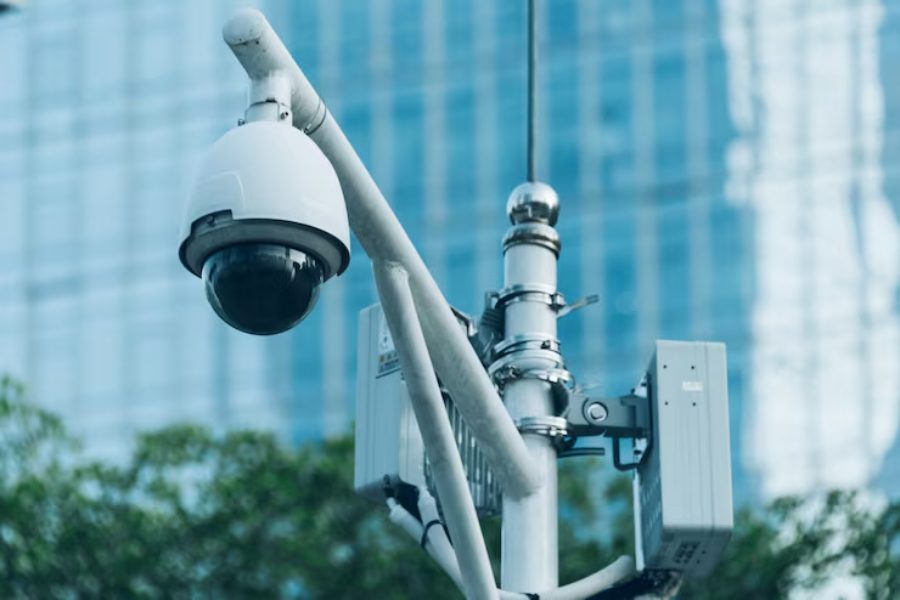
Remote surveillance systems are powered by a network of cameras, sensors, and other monitoring devices, all linked to a centralized digital platform. Security professionals or designated personnel can access this data remotely via smartphones, tablets, or computers. This advanced technology allows for instant responses to any potential threats or incidents, from unauthorized access to fire alarms or even employee safety concerns. As businesses increasingly adopt these systems, it’s important to understand the value they bring in terms of safety and operational efficiency.
Enhancing Safety with Remote Surveillance
Safety is a paramount concern for any office building. Remote surveillance systems play a critical role in addressing this challenge by providing a real-time overview of the building’s security. According to the National Safety Council, workplace safety incidents cost U.S. businesses over $170 billion each year. By preventing incidents before they escalate, remote surveillance systems help mitigate risks and reduce the financial burden associated with workplace accidents.
One of the primary advantages of remote surveillance is the ability to monitor multiple areas of a building simultaneously. In a large office complex, it may be difficult for security personnel to keep track of all entrances, hallways, elevators, and common areas at once. Remote surveillance allows for a centralized monitoring hub where security teams can keep an eye on several locations at the same time. This improves response time in emergencies, such as fire evacuations or criminal activity, and can even assist in identifying safety hazards before they result in accidents.
Another key benefit is the ability to remotely access live footage. This allows building managers or security officers to stay informed about incidents in real time, even if they are not on-site. For instance, if an employee forgets to lock a door or leaves an office unattended, the surveillance system can instantly alert the team and provide them with a visual confirmation. Remote surveillance thus serves as an effective deterrent for potential intruders or trespassers, knowing that their actions are being recorded and monitored in real-time.
Remote surveillance also increases the security of sensitive areas, such as server rooms or restricted office spaces. In many office buildings, these areas contain confidential information or expensive equipment. With remote surveillance, authorized personnel can monitor these spaces 24/7, ensuring that only those with proper clearance gain access. Additionally, cameras with motion detection and facial recognition can add another layer of security, making it harder for unauthorized individuals to bypass the system.
Improving Operational Efficiency
Beyond safety, remote surveillance systems can also enhance the operational efficiency of an office building. In a large corporate office, efficiency can be compromised if there is a lack of oversight or if there are redundant processes in place. Remote surveillance offers a way to streamline operations by allowing managers to monitor and assess different activities without needing to be physically present.
One of the most significant benefits is the reduction of on-site personnel. While having a security guard on every floor might have been the norm in the past, it’s neither cost-effective nor practical. Remote surveillance systems enable companies to scale back the number of on-site security staff required to keep the building secure. This can significantly reduce operational costs while maintaining a high level of safety.
Moreover, remote surveillance systems provide detailed data and analytics that can help office managers make informed decisions about the operation of their buildings. For example, some surveillance systems are equipped with features that monitor foot traffic patterns, such as the frequency of employees passing through specific areas or the time spent in certain rooms. By analyzing these patterns, businesses can optimize the use of office space, improve workflow efficiency, and even adjust HVAC systems for maximum energy savings.
Data collected from remote surveillance can also help businesses improve their emergency response plans. By reviewing footage of past incidents, building managers can identify areas that need improvement, such as more visible emergency exits or additional signage. These insights can help prevent accidents or improve the building’s preparedness in the future.
Additionally, remote surveillance technology can help with facility management tasks, such as ensuring that maintenance activities are being carried out as scheduled. Managers can use real-time video to verify that cleaning crews are completing their tasks or check on the condition of equipment. This level of oversight can reduce the need for follow-up inspections and increase overall facility productivity.
Cost Savings and Scalability
One of the most compelling reasons why office buildings are increasingly adopting remote surveillance systems is the potential for cost savings. Traditional security systems require significant investment in personnel, equipment, and infrastructure. In contrast, remote surveillance systems offer a scalable, flexible solution that grows with the needs of the building.
As businesses expand or office buildings are repurposed for different uses, remote surveillance systems can be adjusted to cover new areas or features. This scalability means that businesses can implement the system in stages, adding cameras or sensors as needed without a major upfront cost. Furthermore, because remote surveillance reduces the need for on-site personnel, businesses can save on labor costs, allowing for more efficient use of resources elsewhere.
When considering long-term savings, remote surveillance systems also help prevent theft and damage, which can be costly to repair or replace. Studies have shown that the presence of surveillance systems can reduce crime rates by up to 50%. By acting as a deterrent to criminal activity, remote surveillance can save businesses from the financial impact of break-ins, vandalism, or even employee theft.
Leveraging Data for Continuous Improvement
A key advantage of remote surveillance is the data it generates. This data can be used to improve the overall efficiency and security of the building by identifying patterns, potential risks, and areas that need attention. For instance, surveillance systems can track unauthorized access attempts or identify bottlenecks during high-traffic periods, which can inform better space utilization or staffing decisions.
Data gathered from surveillance can also be integrated with other building management systems, such as access control or environmental monitoring. By analyzing this data, building managers can ensure that everything is functioning optimally, from lighting and heating to employee safety protocols.
Furthermore, the integration of artificial intelligence and machine learning with surveillance technology is an emerging trend that could further enhance the capabilities of remote systems. AI-driven surveillance can identify unusual behavior or abnormal patterns, such as unauthorized individuals loitering or unattended bags, and alert security personnel before any damage occurs. This proactive approach to security and operations ensures that businesses are always one step ahead.
Conclusion
The adoption of remote surveillance systems in office buildings is transforming the way businesses approach both security and operational efficiency. By offering real-time monitoring, enhancing safety measures, reducing costs, and providing valuable data insights, remote surveillance systems have become indispensable tools for modern office management. As businesses continue to prioritize safety and efficiency, it is clear that remote surveillance will play an essential role in shaping the future of office buildings.
Incorporating remote surveillance into a building’s security infrastructure not only protects employees, assets, and sensitive information but also improves day-to-day operations. As technology continues to evolve, it’s likely that the capabilities of remote surveillance systems will expand even further, offering even more sophisticated tools to optimize both security and efficiency in the workplace.